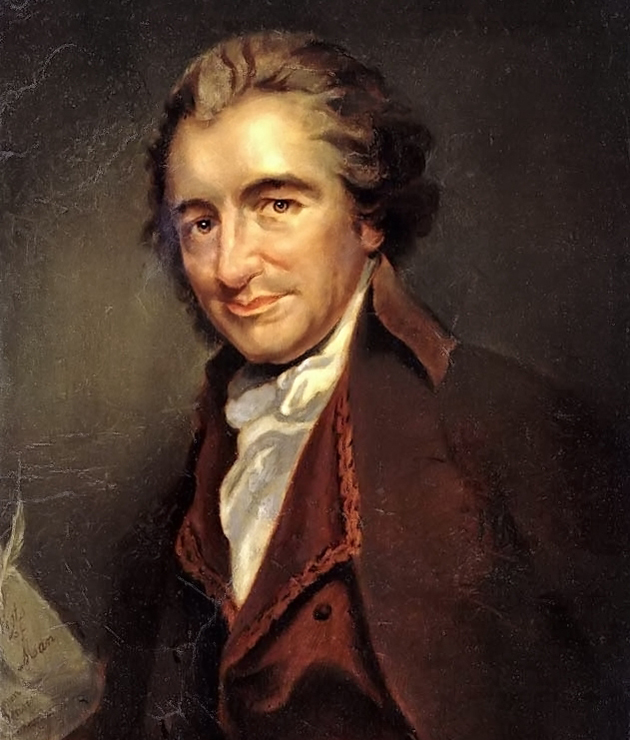
Gouverneur Morris - (From Pennsylvania) Morris employed his considerable social and verbal skills to help smooth over
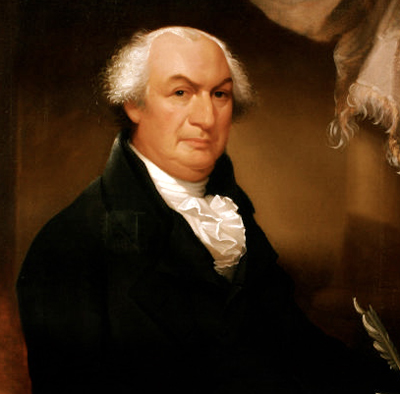
issues that threatened to divide the delegates, and then subtly used his position as primary draftsman to strengthen the final version of the Constitution. He is especially credited with writing the Preamble. During the Convention debates, he defended ideas that had been associated with him ever since he had helped write the New York constitution in 1776: Religious liberty, opposition to slavery, the right of property as the foundation of society, the rule of law, and the consent of the governed as the basis of government.
George Mason - (from Virginia) His Virginia Declaration of Rights (1776), the first American Bill of Rights, provided the template (and in good part, even the very language) of the federal Bill of Rights. He was very active in the Constitutional Convention in helping to defeat efforts to draft a 'national' Constitution as opposed to a 'federal' (federation of states) Constitution which kept power with the States. He fought hard to abolish slavery with the adoption of the Constitution. In fact he refused to sign the Constitution because it did not outright abolish the slave trade.
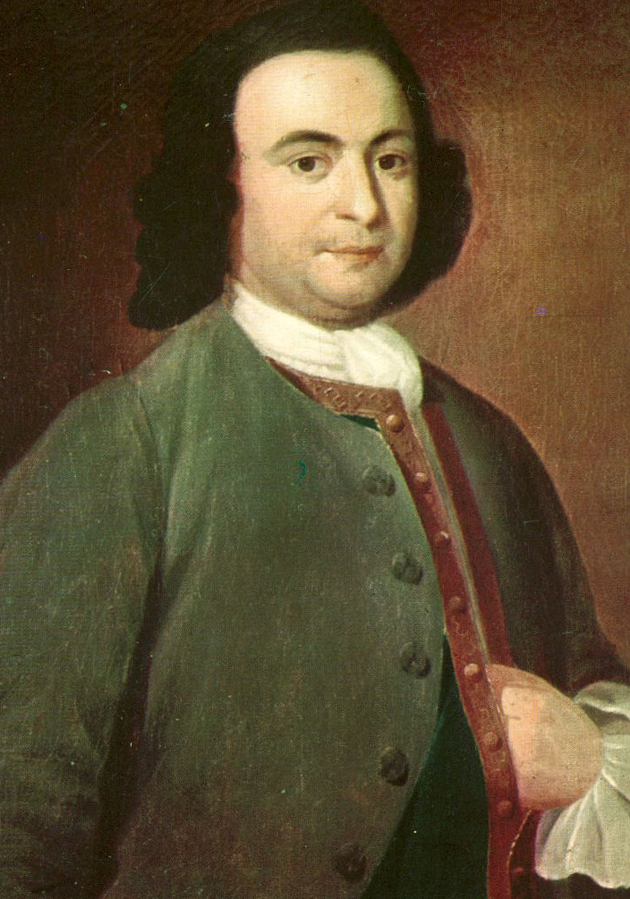 ;"This infernal traffic originated in the avarice of British merchants. They British government constantly checked the attempts of Virginia to put a stop to it. The present question concerns not the importing states alone but the whole Union. Maryland and Virginia have already prohibited the importation of slaves expressly. North Carolina had done the same in substance. Slavery discourages arts and manufacturing. The poor despise labor when they know there are slaves to do it. Every master of slaves is born a petty tyrant. They bring the judgment of Heaven on a country. As Nations cannot be rewarded or punished in the next world, they must in this. By an inevitable chain of causes and effects, Providence punishes national sins by national calamities."
 -- George Mason, when a compromise was reached with regard to slavery.
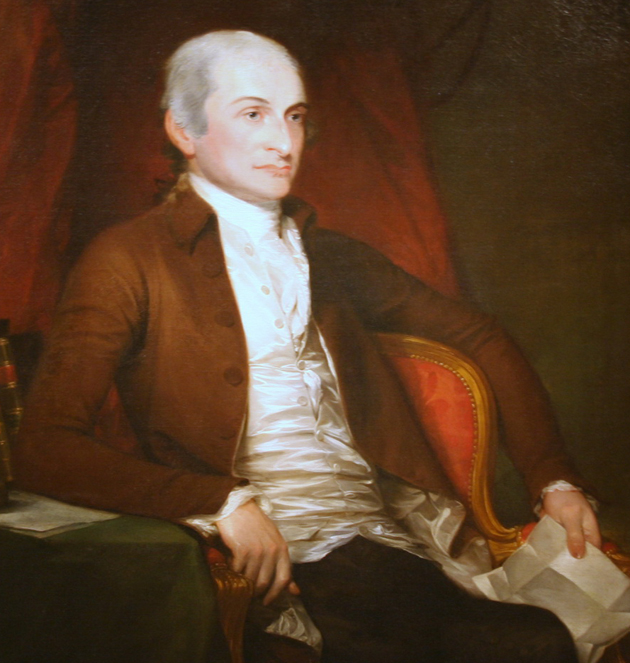
John Jay - (from New York) Jay was one of the most ardent supporters of the need for a more powerful, centralized but balanced system of government. Unfortunately, he was not included as a delegate to the Constitutional Convention, which John Adams deemed to be a travesty. Nevertheless, Jay joined in with James Madison and Alexander Hamilton to write the Federalist Papers to help garner state support for ratification of the Constitution. Jay went on to become our nation's first Supreme Court Chief Justice.
Patrick Henry - (From Virginia) Although not at the Constitutional Convention, and although he was a strong opponent of the Constitution, Henry's writings were quite influential to the drafters. He never budged in his opposition, as he feared the new Constitution would erode American freedoms and would destroy the sovereignty of the individual states. He was leery of the government's power to tax which he believed could be abused, and thought too much power was concentrated in the President and Senate. Finally, Henry argued that if we were to adopt a constitution that ceded away so much vast power and fraught with danger to the liberty of the people, it ought at least to be guarded by a Bill of Rights.
"It cannot be emphasized too strongly or too often that this great nation was founded, not by religionists, but by Christians; not on religions, but on the gospel of Jesus Christ. For this very reason peoples of other faiths have been afforded asylum, prosperity, and freedom of worship here." -- Patrick Henry
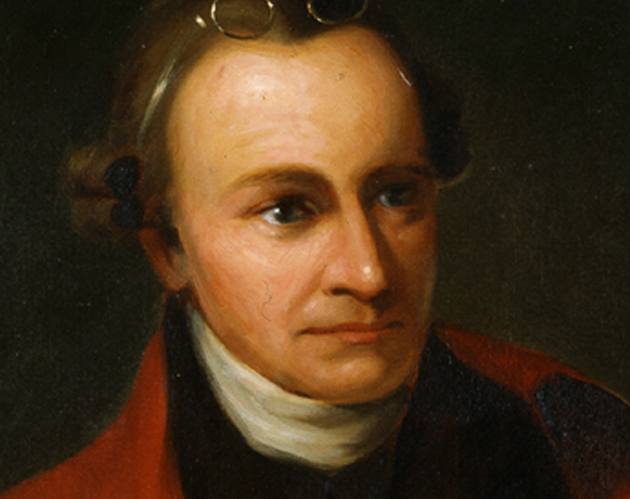
Thomas Paine - Paine may be one of the greatest political thinkers of all time. It has been said that we never had a sounder intelligence in this Republic. Then Paine wrote "Common Sense" and the "Rights of Man." He was a great advocate of Natural Law. "Common Sense," which was written before the Declaration of Independence, challenged British rule and called for a separation from England. "Common Sense was such a powerful document that the Revolution became inevitable. It's discussion of liberty inspired all of our national founding documents. It is probable that we should have had the Revolution without Tom Paine.
;"The cause of America is, in great part, the cause of all mankind." -- Thomas Paine, in Common Sense