Who Contracted Covid-19 in NC in January? | Eastern NC Now
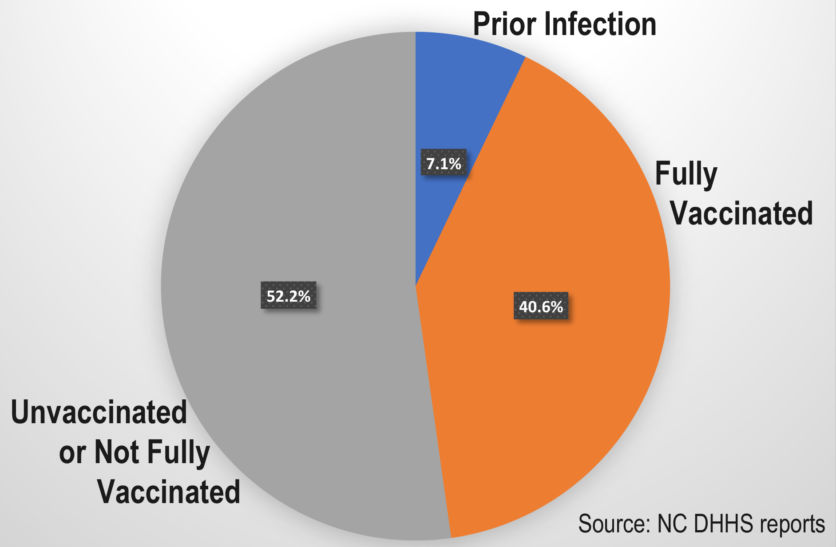
Over 40% of cases were to fully vaccinated individuals

| N.C. delays tax filing, but future cuts to personal income taxes a boon for residents | John Locke Foundation Guest Editorial, Editorials, Op-Ed & Politics | Five Principles for Local Government |

 |
socialism is already hurting the middle class, and it can only get worse
Published: Monday, October 19th, 2026 @ 10:21 am
By: John Steed
|
 |
"Let's hold the line, together."
Published: Monday, October 19th, 2026 @ 10:20 am
By: Daily Wire
|
 |
they want to change the subject from the galloping radicalism of their own party
Published: Monday, October 19th, 2026 @ 8:52 am
By: John Steed
|
 |
first schools, now historic buildings set ablaze
Published: Sunday, October 18th, 2026 @ 2:22 pm
By: John Steed
|
 |
by Rev. Mark Creech
Published: Sunday, October 18th, 2026 @ 7:38 am
By: Countrygirl1411
|
 |
Sotos funded group captured
Published: Saturday, October 17th, 2026 @ 5:33 pm
By: John Steed
|
 |
Democrats facilitate illegal voting by foreign citizens
Published: Saturday, October 17th, 2026 @ 2:43 pm
By: John Steed
|
 |
it won't be pretty
Published: Friday, October 16th, 2026 @ 7:00 pm
By: John Steed
|

 |
LePen likely new president
Published: Friday, October 16th, 2026 @ 2:26 pm
By: John Steed
|
 |
by Rev. Mark Creech
Published: Friday, October 16th, 2026 @ 10:54 am
By: Countrygirl1411
|
 |
financial questions lead to removal
Published: Friday, October 16th, 2026 @ 7:51 am
By: John Steed
|
 |
Democrats want to block efforts to find foreign citizens on voter rolls
Published: Thursday, October 15th, 2026 @ 3:12 pm
By: John Steed
|
 |
green energy is expensive energy
Published: Thursday, October 15th, 2026 @ 1:06 pm
By: John Steed
|
 |
illegal alien "asylum seeker" migrants are a crime wave on both sides of the Atlantic
Published: Thursday, October 15th, 2026 @ 12:49 pm
By: John Steed
|
 |
most industrialized countries have citizenship based on nationality
Published: Thursday, October 15th, 2026 @ 10:42 am
By: John Steed
|
 |
he seems extremely sensitive to such questions
Published: Wednesday, October 14th, 2026 @ 3:05 pm
By: John Steed
|
 |
Most Republicans stand for gun rights
Published: Tuesday, October 13th, 2026 @ 9:12 pm
By: John Steed
|