Advisory: Contaminated fish in Cape Fear River | Eastern NC Now
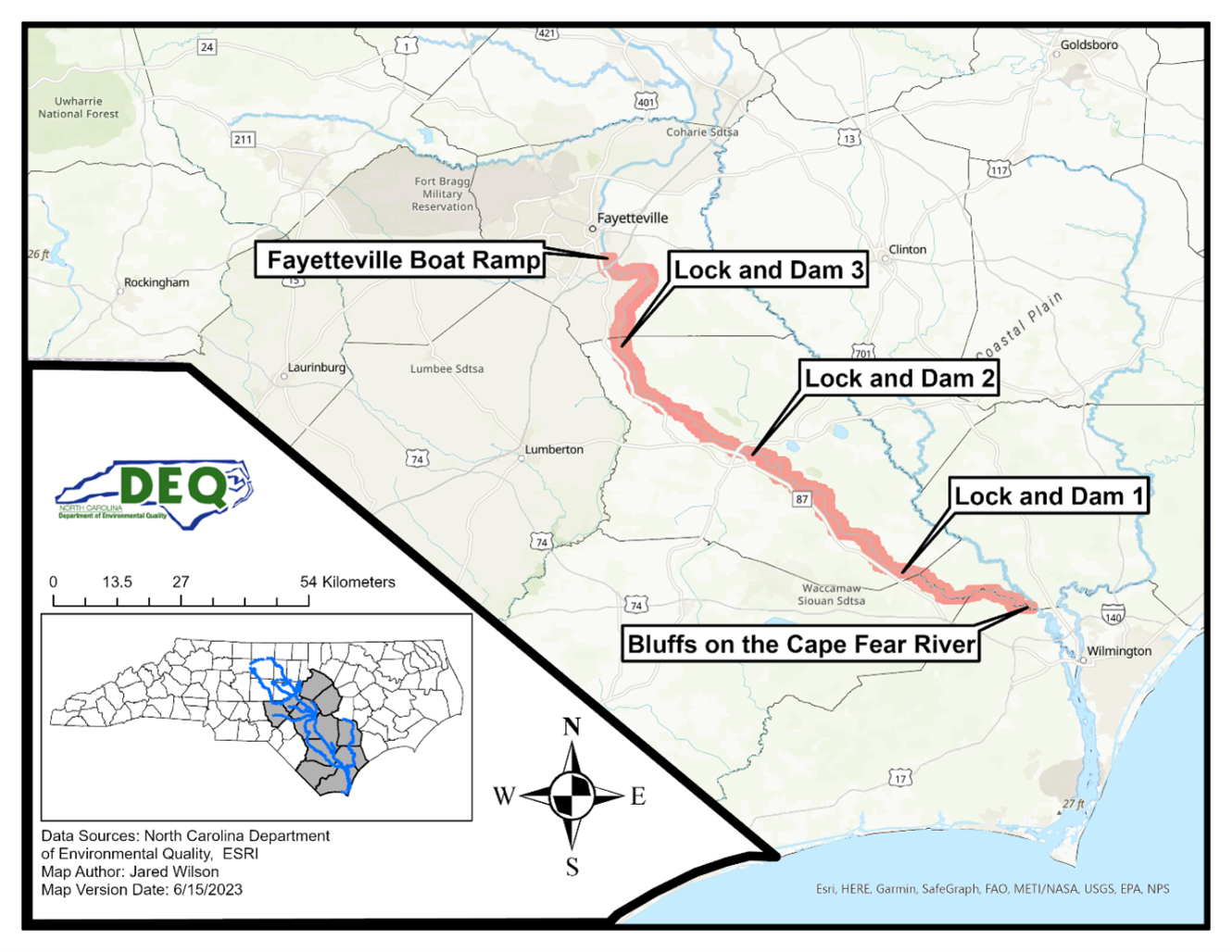
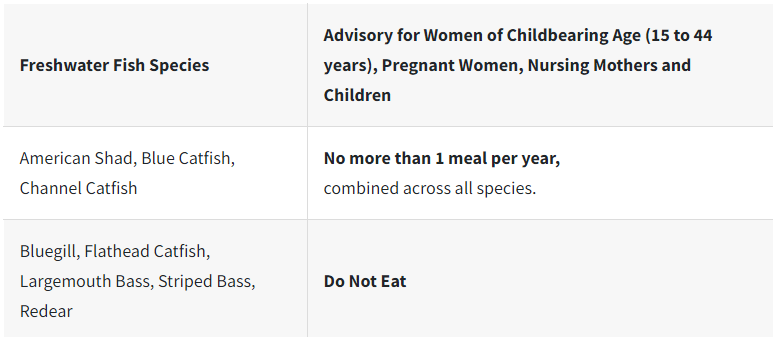
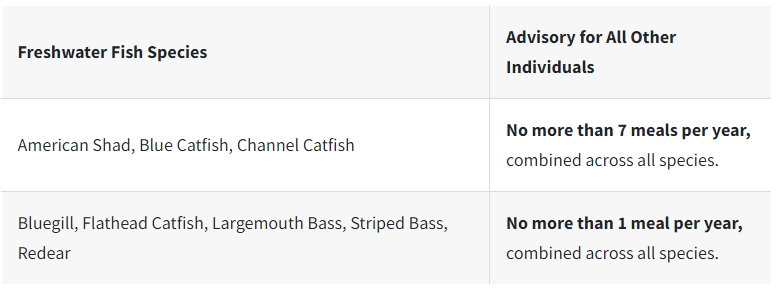
The North Carolina Department of Health and Human Services (NCDHHS) has released new guidance about consuming certain types of fish from parts of the lower Cape Fear River.


 |
"They don’t want you to do is dig into their 'reporting' for bias and conflicts of interest."
Published: Tuesday, October 13th, 2026 @ 6:27 pm
By: Daily Wire
|
 |
“We have no way of knowing if Jesus really existed..."
Published: Tuesday, October 6th, 2026 @ 11:01 pm
By: Daily Wire
|
 |
“Ignorance is costly."
Published: Sunday, October 4th, 2026 @ 2:49 pm
By: Daily Wire
|
 |
The tour bus will make 63 stops across 13 states across the country, and will end on Election Day in November.
Published: Tuesday, September 29th, 2026 @ 9:19 am
By: Daily Wire
|
 |
Organizations are quietly using foreign money to move the needle toward their preferred political outcomes.
Published: Friday, September 25th, 2026 @ 2:08 pm
By: Daily Wire
|
 |
Democrats are still calling Israel the biggest foreign lobby in America — and they’re using it to win the 2026 midterms.
Published: Tuesday, September 22nd, 2026 @ 4:03 pm
By: Daily Wire
|

 |
"Elections are about choices."
Published: Thursday, September 17th, 2026 @ 4:06 pm
By: Daily Wire
|
 |
Chief Justice John Roberts issued an administrative stay allowing the Trump administration to continue construction of the ballroom as SCOTUS waits.
Published: Tuesday, September 15th, 2026 @ 11:28 pm
By: Daily Wire
|
 |
The baby's parents blame Texas AG Ken Paxton for turning the case into "political theater."
Published: Monday, September 7th, 2026 @ 9:15 am
By: Daily Wire
|
 |
Raleigh, N.C. — North Carolina State Board of Elections Executive Director Sam Hayes welcomes Allen Norfleet to the agency’s campaign finance leadership team.
Published: Sunday, August 23rd, 2026 @ 2:35 pm
By: ENC NOW
|
 |
n Aug. 17, President Donald J. Trump endorsed state Rep. Jennifer Balkcom, R-Henderson, who Republicans recently tapped to replace US Rep. Chuck Edwards on the ballot, to represent NC-11 in the upcoming 2026 mid-term election.
Published: Sunday, August 23rd, 2026 @ 11:02 am
By: Carolina Journal
|
 |
Prominent Democrats have fueled this climate with reckless rhetoric.
Published: Saturday, August 22nd, 2026 @ 6:16 pm
By: Daily Wire
|

 |
They refuse to be silenced despite threats and disappearing work.
Published: Tuesday, August 18th, 2026 @ 8:52 am
By: Daily Wire
|