Excellent Public Schools Act, ‘Science of Reading’ Literacy Reforms Take Effect July 1 | Eastern NC Now
The act modifies reading instruction programs to improve literacy of N.C. public school students by the third grade

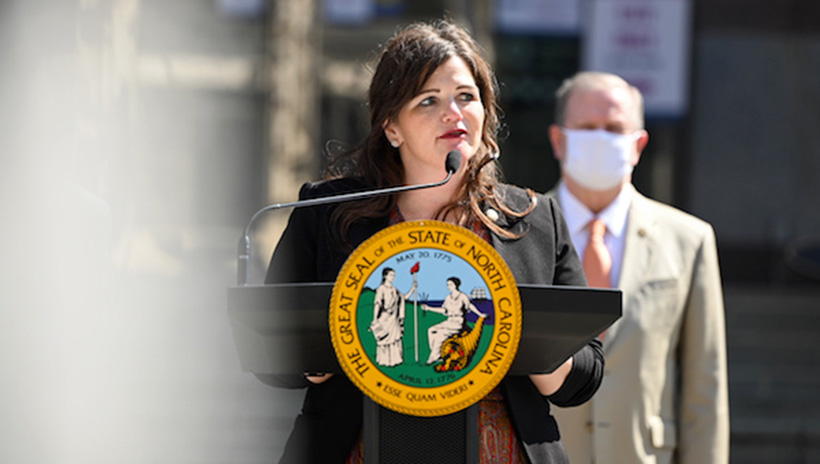
| Governor Cooper Announces State Boards and Commissions Appointments | Carolina Journal, Editorials, Op-Ed & Politics | U.S. Supreme Court Backs Donor Privacy Rights |

 |
first schools, now historic buildings set ablaze
Published: Sunday, October 18th, 2026 @ 2:22 pm
By: John Steed
|
 |
by Rev. Mark Creech
Published: Sunday, October 18th, 2026 @ 7:38 am
By: Countrygirl1411
|
 |
Sotos funded group captured
Published: Saturday, October 17th, 2026 @ 5:33 pm
By: John Steed
|
 |
Democrats facilitate illegal voting by foreign citizens
Published: Saturday, October 17th, 2026 @ 2:43 pm
By: John Steed
|
 |
it won't be pretty
Published: Friday, October 16th, 2026 @ 7:00 pm
By: John Steed
|
 |
LePen likely new president
Published: Friday, October 16th, 2026 @ 2:26 pm
By: John Steed
|
 |
by Rev. Mark Creech
Published: Friday, October 16th, 2026 @ 10:54 am
By: Countrygirl1411
|
 |
financial questions lead to removal
Published: Friday, October 16th, 2026 @ 7:51 am
By: John Steed
|

 |
Democrats want to block efforts to find foreign citizens on voter rolls
Published: Thursday, October 15th, 2026 @ 3:12 pm
By: John Steed
|
 |
green energy is expensive energy
Published: Thursday, October 15th, 2026 @ 1:06 pm
By: John Steed
|
 |
illegal alien "asylum seeker" migrants are a crime wave on both sides of the Atlantic
Published: Thursday, October 15th, 2026 @ 12:49 pm
By: John Steed
|
 |
most industrialized countries have citizenship based on nationality
Published: Thursday, October 15th, 2026 @ 10:42 am
By: John Steed
|
 |
he seems extremely sensitive to such questions
Published: Wednesday, October 14th, 2026 @ 3:05 pm
By: John Steed
|
 |
Most Republicans stand for gun rights
Published: Tuesday, October 13th, 2026 @ 9:12 pm
By: John Steed
|
 |
a real prize of a candidate
Published: Tuesday, October 13th, 2026 @ 8:13 pm
By: John Steed
|
 |
No quorum, no chair...no results.
|
 |
"They don’t want you to do is dig into their 'reporting' for bias and conflicts of interest."
Published: Tuesday, October 13th, 2026 @ 6:27 pm
By: Daily Wire
|